
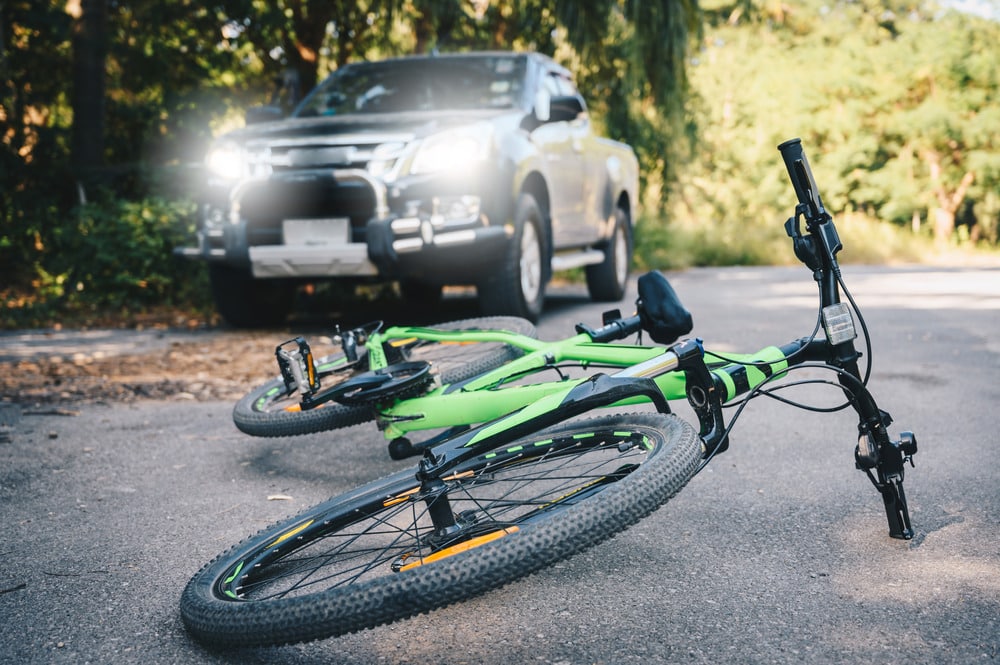
Maine’s cities are popular places for cycling, whether you’re commuting through downtown or exploring neighborhoods. But sharing busy roads with cars, delivery trucks, and other vehicles can create serious risks for bicyclists, especially at intersections and in heavy traffic.
After a bicycle accident, injured cyclists may face medical expenses, time away from work, and uncertainty about who is responsible. Understanding your legal rights and how bicycle accident claims work in Maine can help you make informed decisions about what comes next.
What Are the Most Common Causes of Bicycle Accidents in Maine?
Bicycle accidents can happen for many reasons, but collisions involving motor vehicles are particularly concerning because cyclists have little protection from the force of an impact.
Common causes of bicycle accidents include:
- Distracted driving: Drivers looking at phones, navigation systems, or other distractions may miss cyclists.
- Failure to yield: Motorists may overlook bicyclists at intersections, crosswalks, or when making turns.
- Dooring accidents: A driver or passenger opens a vehicle door into the path of an approaching cyclist.
- Unsafe passing: Drivers fail to leave adequate space when overtaking a bicycle.
- Speeding or reckless driving: Excessive speed reduces reaction time and increases collision severity.
- Poor road conditions: Potholes, debris, or unsafe roadway conditions may contribute to certain accidents.
In Maine, areas with frequent intersections, parked vehicles, and mixed pedestrian and bicycle traffic can present additional challenges.
Understanding what caused the collision is an important part of determining who may be legally responsible.
What Are Maine’s Bicycle Laws?
Maine law recognizes bicycles as vehicles for many purposes, giving cyclists important rights and responsibilities when traveling on public roads.
Under Maine law,, bicyclists generally have the same rights and duties as motor vehicle operators, subject to bicycle-specific provisions.
Maine’s Three-Foot Passing Law
Maine requires motorists passing bicyclists to leave at least three feet of clearance when conditions allow safe passing. Drivers must also exercise due care to avoid collisions.
Failure to provide adequate passing distance may be relevant when determining negligence in a bicycle accident claim.
Bicycle Safety and Roadway Responsibilities
Cyclists are generally expected to follow applicable traffic signals, ride in the proper direction of travel, and use required safety equipment.
Maine also has specific requirements involving bicycle lighting, visibility, and helmet use for younger riders.
However, a cyclist’s failure to follow a traffic rule does not automatically eliminate their ability to pursue compensation. Responsibility depends on the accident circumstances and applicable Maine law.
Who Is Responsible for a Bicycle Accident in Maine?
Liability in a bicycle accident generally depends on whether a person or entity acted negligently and whether that negligence caused the cyclist’s injuries.
An injured cyclist’s recovery may be reduced if they contributed to the accident.
An experienced attorney can investigate the accident, review available evidence, and help determine how liability may apply.
What Should You Do After a Bicycle Accident in Maine?
Taking appropriate steps after a bicycle accident can help protect your health and preserve important evidence for a potential injury claim.
If you’re involved in a collision:
- Seek medical attention. Some injuries, including concussions and internal injuries, may not be immediately apparent.
- Report the accident. Contact law enforcement when appropriate, and ask how to obtain the accident report.
- Document the scene. Take photographs of vehicle damage, bicycle damage, road conditions, and visible injuries if you can do so safely.
- Collect contact information. Obtain details from involved drivers and any witnesses.
- Preserve your bicycle and equipment. Don’t repair or discard damaged items before you can document them.
- Consult an attorney. Legal guidance can help you understand your rights before deciding how to handle an insurance claim.
For additional guidance, read our article on what to do after a motor vehicle accident.
What Compensation May Be Available After a Bicycle Accident?
Bicycle accidents can result in injuries ranging from fractures and soft tissue damage to traumatic brain injuries, spinal cord injuries, and permanent disabilities.
Depending on the circumstances, injured cyclists may be able to pursue compensation for:
- Medical treatment and rehabilitation
- Lost wages or reduced earning capacity
- Future medical care related to the injury
- Physical pain and emotional suffering
- Permanent disability or reduced quality of life
The damages available depend on the specific injuries, evidence, liability, and applicable law.
Serious collisions may also involve long-term neurological complications. Learn more about the effects of these injuries through Garmey Law’s traumatic brain injury practice area.
How Long Do You Have to File a Bicycle Accident Claim in Maine?
Many Maine personal injury lawsuits are subject to a six-year statute of limitations.
However, exceptions and shorter deadlines may apply, particularly when a claim involves a government entity. Insurance notification requirements may also differ from the deadline for filing a lawsuit.
Because important evidence can disappear over time, speaking with an attorney promptly can help protect your legal rights.
Garmey Law’s motor vehicle accident attorneys can help evaluate the circumstances of a collision and identify applicable legal requirements.
Frequently Asked Questions About Bicycle Accident Claims
Can you sue a driver for hitting you on a bicycle in Maine?
Yes. If a driver’s negligence caused a bicycle accident and resulting injuries, the cyclist may have grounds for a personal injury claim. Establishing liability typically requires evidence showing how the collision occurred and how the driver’s actions contributed to the injuries.
Can you file a bicycle accident claim if you weren’t wearing a helmet?
Potentially. Maine requires bicycle helmets for riders under age 16, but adults generally aren’t required to wear them. Whether helmet use matters in a particular injury claim depends on the circumstances and applicable law.
Speak With a Maine Bicycle Accident Attorney
Bicycle accidents can leave injured cyclists facing difficult medical, financial, and legal questions. Understanding your rights and identifying the parties responsible for a collision are important steps toward protecting your future.
At Garmey Law, our Maine personal injury attorneys represent individuals injured in serious accidents across Maine. We investigate each case and work to hold negligent parties accountable.
If you or a loved one has been injured in a bicycle accident, contact Garmey Law to discuss your situation and learn more about your legal options.