
Last updated on October 31st, 2025 at 09:25 am
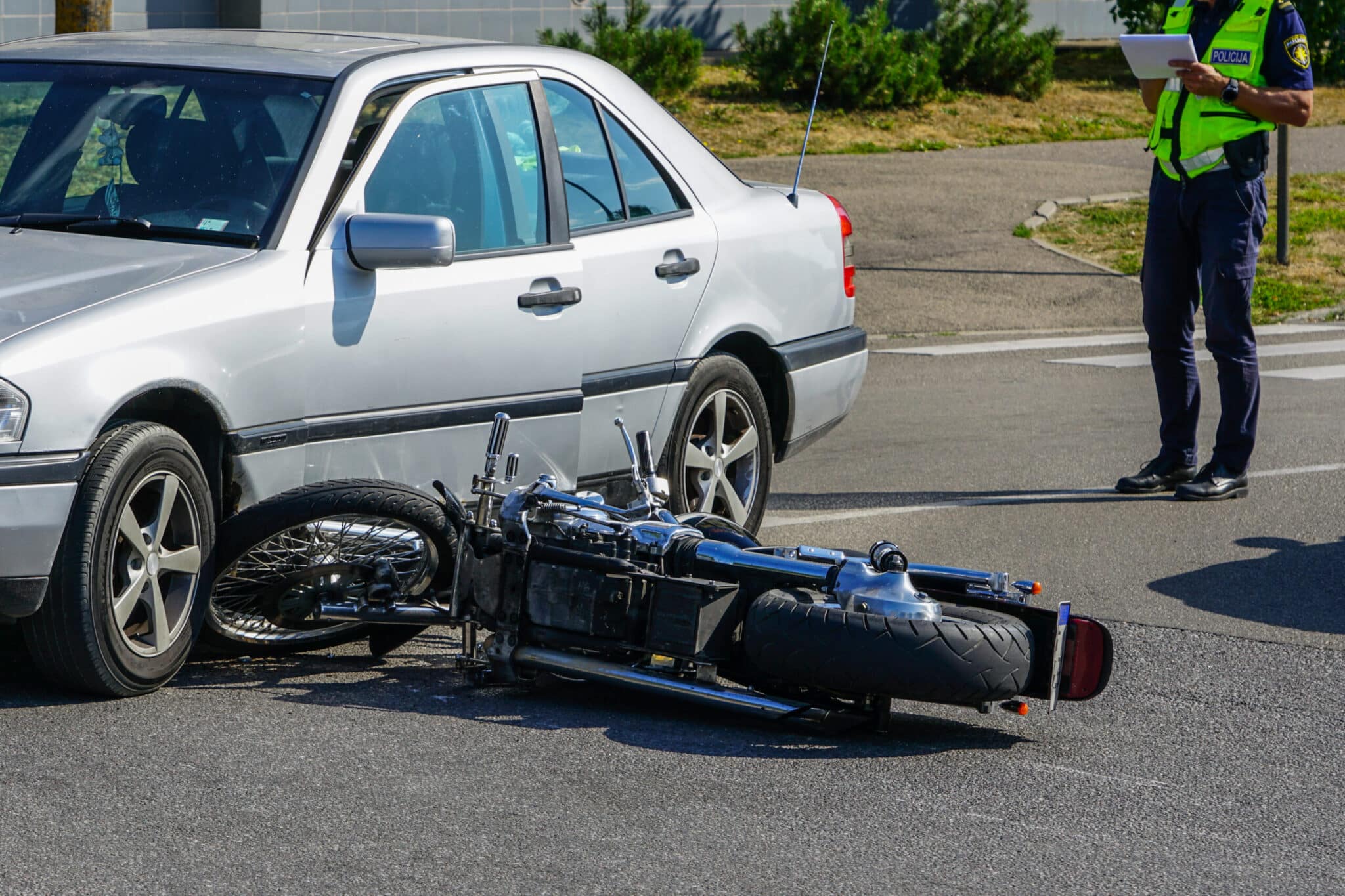
Most motorcycle riders never expect their bikes to crash, but it can happen anytime without warning. If you are in a motorcycle accident, it will be hard to think straight afterward. It’s good to prepare yourself now, just in case, so that you’ll know what to do after a motorcycle accident, should that ever happen.
At Garmey Law, we understand the pressure and confusion you’re feeling—and we’re here to guide you through every step. We have a proven record of helping injured motorcyclists across Maine and beyond. Here are 10 critical steps to take after a motorcycle accident to protect yourself legally, medically, and emotionally.
What to Do After Motorcycle Accident
1. Ensure Safety—Your First Priority
Your safety and the safety of others at the scene come first. If possible, move yourself and your motorcycle out of traffic, but only if it can be done without worsening any potential injuries. Alternatively, stay still and alert until emergency responders arrive. Avoid removing your helmet or protective gear until a medical professional advises you to do so.
2. Call 911 and Wait for Police and EMS
Always contact emergency services—even if the accident seems minor. Reporting the crash helps dispatch medical aid and ensures a police report is generated. These official documents are often vital in later legal or insurance matters.
3. Seek Medical Attention Immediately
Even if you feel well, get checked by a medical professional right away. Injuries like concussions, whiplash, or internal bleeding might not show symptoms immediately. Prompt medical documentation is essential for both your health and any legal or insurance claims.
4. Document the Scene Thoroughly
If you are physically able, take photos and videos of the accident scene. Capture the damage to all vehicles involved, the position of your motorcycle, skid marks, debris, road conditions, traffic signals, and your visible injuries. These details can be critical evidence in proving fault and damages.
5. Exchange and Collect Contact Details
Gather names, addresses, and phone numbers from everyone involved, including drivers, passengers, and witnesses. Write down driver’s license numbers, license plate numbers, and insurance information. Witness statements can play an important role in supporting your account of the accident.
6. File a Police Report and Secure a Copy
A police report provides an unbiased account of what happened. Ask the responding officer how you can obtain a copy and make sure to follow up. Your attorney will use this document as part of your case investigation.
7. Notify Your Insurance Provider Carefully
Report the accident to your insurance company promptly, but be mindful of what you say. Stick to the facts and avoid admitting fault or speculating about what happened. Do not agree to a recorded statement without speaking to a lawyer first.
8. Begin Tracking Your Recovery
Keep a detailed log of your medical treatment, doctor visits, medications, and therapy sessions. Document any missed work, reduced income, and out-of-pocket expenses. Also track non-economic impacts, like pain, sleep issues, anxiety, or changes to your quality of life.
9. Preserve Physical Evidence
Do not repair or dispose of your motorcycle, helmet, riding gear, or other damaged items. These can serve as important evidence in proving the severity of the crash and your injuries.
10. Consult a Motorcycle Accident Attorney Promptly
An experienced lawyer can manage communications with insurance companies, gather expert testimony, handle negotiations, and take your case to trial if needed. They can help you recover both economic damages—like medical costs and lost wages—and non-economic damages, such as pain and suffering.
Why These Steps Matter
Following these steps ensures your health and safety, creates a thorough record of what happened, and protects your legal rights. Motorcycle accidents can be complex, and insurance companies often try to reduce payouts. Having a legal advocate on your side from the start puts you in the strongest position possible.
Contact the Personal Injury Attorneys at Garmey Law
The experienced and dedicated motorcycle accident attorneys at Garmey Law would be glad to analyze your case, discuss your options, and advise you on whether you are entitled to file a claim against the negligent driver. For a free consultation, call us at (207) 481-4683, or contact us through our website.