

Last updated on June 11th, 2026 at 03:21 pm
When Everything Changes: What a Catastrophic Injury Lawyer Can Do for You
A catastrophic injury lawyer helps victims of life-altering injuries fight for the full compensation they need — not just for today’s medical bills, but for lifetime care, lost income, and lost quality of life.
Here is what a catastrophic injury lawyer typically does for you:
- Investigates your accident and builds a strong liability case
- Works with medical experts and life-care planners to calculate long-term costs
- Handles all communication with insurance companies on your behalf
- Negotiates for a fair settlement — or takes your case to trial
- Works on contingency, meaning you pay nothing unless you win
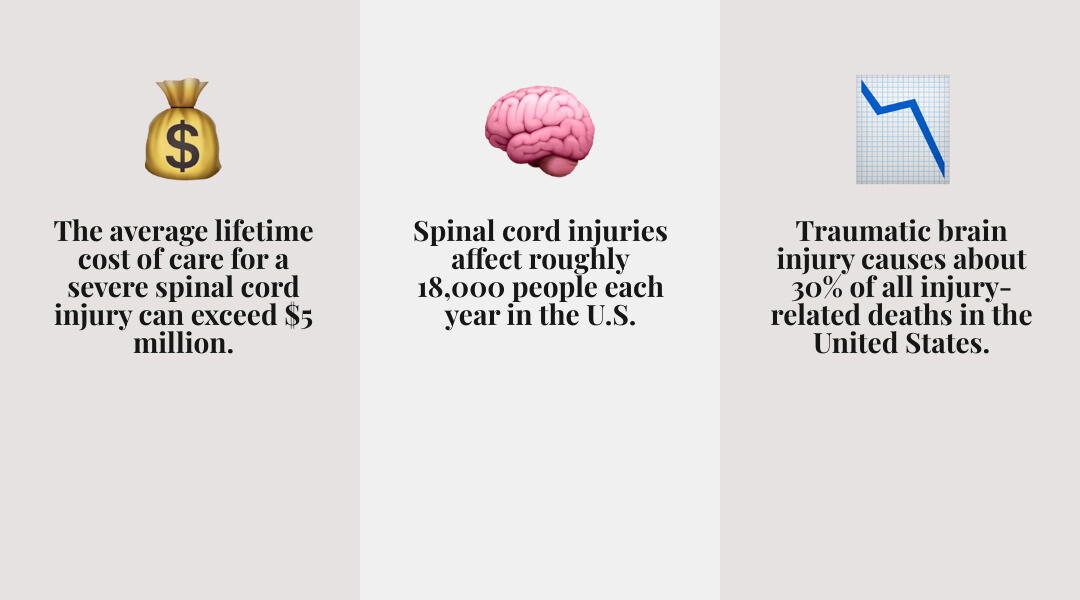
One moment, life is normal. The next, a single accident leaves you or someone you love facing permanent disability, months of rehabilitation, and a future that looks completely different. The financial toll alone can be staggering — the average lifetime cost of care for a severe spinal cord injury can exceed $5 million. That is before accounting for lost wages, home modifications, and the emotional weight carried by the whole family.
These cases are not like standard personal injury claims. They are bigger, more complex, and the stakes are far higher. Insurance companies know this too — and they fight these claims hard.
I’m Peter Richard, a trial attorney at Garmey Law in Portland, Maine, with extensive experience handling high-stakes catastrophic injury cases involving permanent disability, wrongful death, and serious negligence. My background in complex litigation means I understand exactly what it takes to build a case strong enough to secure real, lasting results for catastrophic injury victims.
Defining the Role of a Catastrophic Injury Lawyer
When we talk about “personal injury,” most people think of a fender bender and some physical therapy. But a catastrophic injury is a different animal entirely. In the legal world, a catastrophic injury is generally defined as one that results in permanent disability, significant disfigurement, or a long-term impairment that prevents a person from performing gainful work or living independently.
As a catastrophic injury lawyer, our job is to look at the “big picture.” We aren’t just looking at the emergency room bill from last Tuesday; we are looking at what your medical needs will be in May 2036.
What is Considered a Catastrophic Personal Injury?
There isn’t one single “official” list, but what is considered a catastrophic personal injury usually falls into a few major categories:
- Traumatic Brain Injuries (TBI): These can range from subtle cognitive shifts to profound physical and mental disability. According to the CDC, TBIs contribute to about 30% of all injury deaths in the U.S.
- Spinal Cord Injuries: Often resulting in paraplegia or quadriplegia, these injuries affect nearly 18,000 people annually in the U.S. and require lifelong assistive technology and care.
- Amputations: The loss of a limb changes every aspect of daily life, from mobility to the ability to work in many professions.
- Severe Burns: These often require multiple surgeries, skin grafts, and carry a high risk of infection and permanent disfigurement.
- Organ Damage or Loss of Sight/Hearing: Injuries that permanently stop a major body system from functioning.

Why You Need a Specialized Catastrophic Injury Lawyer
You might wonder, “Can’t any personal injury lawyer handle this?” Technically, yes. But practically? It is a bit like asking a general practitioner to perform heart surgery. You want a specialist.
A catastrophic injury lawyer brings a specific set of tools to the table:
- Life-Care Planners: We work with professionals who map out every single expense you will have for the rest of your life, from wheelchair replacements every five years to the cost of in-home nursing care.
- Vocational Experts: If you can no longer work in your previous field, these experts testify about your “lost earning capacity”—the money you would have made if the accident had never happened.
- Medical Illustrators: In court, we use high-tech visuals to show a jury exactly how a spinal cord was severed or how a brain injury affects neural pathways.
- Countering Insurance Tactics: Insurance companies are in the business of saving money. When they see a multi-million dollar claim, they don’t just write a check. They use surveillance, dispute the severity of the injury, and try to pressure victims into lowball settlements. We know their playbook because many of us have seen it from the inside.
Is it worth the effort? We certainly think so. There are at least 5 reasons why hiring a personal injury attorney is essential when the stakes are this high, ranging from their ability to negotiate to their trial resources.
Navigating the Legal Process with a Catastrophic Injury Lawyer
The legal journey after a major accident is more of a marathon than a sprint. While some simple car accident claims might settle in a few months, a catastrophic case often takes a year or more. This is because we need to wait for “Maximum Medical Improvement” (MMI) to truly understand the long-term prognosis.
The 7 stages of a personal injury lawsuit timeline generally include:
- The Investigation: Gathering police reports, witness statements, and black box data from vehicles.
- Filing the Complaint: Formally starting the lawsuit.
- Discovery: The “information exchange” phase where both sides share evidence and take depositions (interviews under oath).
- Mediation: An attempt to settle the case out of court with a neutral third party.
- Trial: If a fair settlement isn’t reached, we present the case to a judge or jury.
To improve your chances of winning a personal injury lawsuit, it is crucial to document everything from day one and avoid giving recorded statements to the other side’s insurance company without your lawyer present.
Common Causes and Legal Frameworks for Severe Claims
Catastrophic injuries don’t happen in a vacuum. They are usually the result of significant negligence.
Motor Vehicle Crashes
In 2021, there were approximately 42,915 fatal motor vehicle crashes in the United States. For every fatality, there are many more survivors left with life-altering trauma. Whether it is a high-speed collision on I-95 or a trucking accident involving a tired driver, these cases often involve complex layers of insurance.
Workplace Accidents
The private industry reported over 2.8 million nonfatal workplace injuries in 2022. While workers’ compensation covers some medical costs, it often isn’t enough for a catastrophic outcome. In cases involving defective machinery or negligent third-party contractors, a catastrophic injury lawyer can help you file a claim outside of the workers’ comp system to recover full damages.
Medical Malpractice
When a surgeon makes a mistake or a doctor fails to diagnose a serious condition, the results can be devastating. These are some of the most difficult cases to prove, requiring extensive expert testimony and a deep understanding of medical standards. At Garmey Law, we specialize in representing the “underdogs” in these complex practice areas.
Maine’s Legal Framework: Comparative Negligence
In Maine, we follow a “modified comparative negligence” rule (Maine Revised Statutes §156). This means that if you are partially at fault for the accident, your compensation will be reduced by your percentage of fault. However, if you are 50% or more at fault, you cannot recover anything. A skilled lawyer’s job is to ensure the blame isn’t unfairly shifted onto you.

Calculating Damages: Economic vs. Non-Economic
How do you put a price tag on a person’s ability to walk? Or their ability to remember their child’s birthday? In the legal world, we divide these losses into two categories.
Economic Damages
These are the “receipt-based” losses. They are objective and relatively easy to calculate:
- Past and Future Medical Bills: Everything from the initial surgery to the physical therapy you will need in 2030.
- Lost Wages: The money you missed while in the hospital.
- Lost Earning Capacity: The difference between what you could have earned over your lifetime and what you can earn now.
- Home and Vehicle Modifications: Installing ramps, widening doorways, or buying a van with a lift.
Non-Economic Damages
These are the “human” costs. They are subjective but often the most significant part of a claim. Understanding pain and suffering damages is key here. They include:
- Physical Pain and Suffering: The actual physical agony of the injury and recovery.
- Emotional Distress: Anxiety, depression, and PTSD following the trauma.
- Loss of Enjoyment of Life: The inability to participate in hobbies, sports, or family activities you once loved.
- Loss of Consortium: The impact the injury has on your relationship with your spouse.
| Type of Damage | Examples | How it’s Proven |
|---|---|---|
| Economic | Surgery bills, lost salary, wheelchair costs | Invoices, pay stubs, life-care plans |
| Non-Economic | Chronic pain, depression, loss of companionship | Journals, witness testimony, psych evals |
Proving Long-Term Needs with a Catastrophic Injury Lawyer
Proving a permanent injury requires more than just saying “it hurts.” It requires scientific evidence. This is especially true with “invisible” injuries like brain trauma.
Sometimes, symptoms from brain injuries can develop slowly. You might feel “fine” a week after a car crash, only to realize a month later that you can’t focus at work or your personality has changed. Recognizing subtle traumatic brain injury symptoms—like sensitivity to light, sleep disturbances, or irritability—is the first step in building a case for a traumatic brain injury settlement.
Frequently Asked Questions about Catastrophic Injuries
How long do I have to file a claim in Maine?
In Maine, the statute of limitations for most personal injury claims is six years. However, there are important exceptions. If you are suing a government entity (like a city or the state), you may only have 365 days to file a formal notice of claim. Medical malpractice and wrongful death cases also have much shorter windows—only three years in most cases.
Missing these deadlines means you lose your right to sue forever. This is why you should find the best personal injury lawyer in Maine as soon as possible after the injury.
What if my loved one suffered a wrongful death?
If a catastrophic injury leads to a fatality, the family can file a wrongful death claim. We know that no amount of money can replace a person, but it can provide financial security for the survivors. You might wonder how much you can sue for wrongful death, and the answer depends on the victim’s age, income, and the emotional loss to the family.
The process of filing a wrongful death case in Portland, ME, involves appointing a personal representative for the estate. Knowing when to hire a wrongful death attorney is usually “sooner rather than later” to ensure evidence isn’t lost.
How do contingency fee agreements work?
One of the biggest worries for families is, “How can we afford a lawyer when the medical bills are piling up?”
The answer is simple: Contingency Fees. This means:
- $0 upfront costs.
- We pay for all the experts, the filing fees, and the investigators.
- We only get paid if we win your case.
- Our fee is a percentage of the final settlement or verdict.
When you are looking at how to hire a personal injury lawyer, always ask about their fee structure to ensure there are no hidden costs.
Contact Garmey Law
A catastrophic injury is a heavy burden to carry, but you don’t have to carry it alone. At Garmey Law, we pride ourselves on being the “champions for the underdog.” Whether you are in Portland, South Portland, Falmouth, or anywhere across Maine, our team is dedicated to providing the aggressive, compassionate advocacy you deserve.
We don’t just see a case number; we see a person whose life has been turned upside down. We have the resources to take on the biggest insurance companies and the biggest corporations to make sure your future is protected.
If you or a loved one has suffered a life-altering injury, don’t wait for the insurance company to do the right thing—they rarely do. Take the first step toward reclaiming your future today.
Contact the team at Garmey Law for a free, no-obligation consultation. We are here to listen, to help, and to fight for the justice you deserve.