

The Hidden Hazards Lurking in Your Home
Dangerous consumer products send 30 to 40 million Americans (about 1 in every 10) to seek medical attention every year. These injuries cost U.S. consumers an estimated $1 trillion annually in medical expenses, lost wages, and pain. Defective or dangerous items people think should be otherwise safe affect families across the country.
The most common dangerous consumer products include:
- Children’s products – cribs, toys, and nursery equipment (nearly 6 in 1,000 infants injured by age 3)
- Electronics with lithium batteries – phones, hoverboards, e-cigarettes (225 fire incidents reported)
- Household items – furniture, appliances, cleaning products (9.5 million ER visits yearly)
- Personal care products – cosmetics, talcum powder (linked to cancer risks)
When you bring a product into your home, you trust that it’s safe. But that trust is often misplaced. Between 2008 and 2010, consumer product-related injuries accounted for 44% of all nonfatal injuries requiring emergency treatment and 29% of all accidental deaths in the United States.
The good news? Understanding which products pose the greatest risks empowers you to protect your family. Whether it’s a recalled crib that could suffocate an infant, a power tool that lacks proper safety guards, or a battery that might explode, knowing the warning signs can prevent tragedy.
This guide identifies the most dangerous categories of consumer products, explains how government agencies work to protect you, and outlines your legal rights if a defective product causes harm.
A Guide to Common Dangerous Consumer Products
Our homes should be sanctuaries, but they often harbor hidden hazards. From the nursery to the garage, dangerous consumer products can lead to serious injuries or worse. We’ve identified some of the most common categories of hazardous items and the specific risks they carry.
Children’s & Nursery Products
Perhaps no category demands more vigilance than products designed for children. These items, meant to nurture and entertain, can sometimes pose the gravest dangers. We’re talking about everything from infant sleepers and cribs to toys and nursery equipment.
The statistics are sobering: a 2017 study in the journal Pediatrics estimated that nearly six in every 1,000 infants will require an emergency room visit for injuries related to nursery equipment by the age of three. Furthermore, the CPSC estimates that toys alone may injure a quarter million kids every year. This doesn’t even include injuries from bicycles, skateboards, or sporting equipment.
Common hazards include:
- Choking hazards: Small parts that detach from toys, balloons, or plastic wrappings can pose a serious choking risk, especially for young children.
- Suffocation risks: Infant sleepers and soft bedding in cribs have been linked to infant deaths. The CPSC estimates approximately 32 infant deaths related to cribs each year.
- Strangulation: Cords, strings, or even drawstrings on children’s clothing can lead to strangulation. Stroller harnesses, if not properly secured, can also pose a risk.
- High-powered magnets: Magnetic building sticks and ball sets have been recalled due to the severe danger posed if a child swallows multiple magnets. These can attract each other inside the body, causing life-threatening internal damage that often requires emergency surgery.
- Tip-over furniture: Dressers, bookshelves, and even TVs can tip over, crushing children. The CPSC estimates a child is injured every 30 minutes from tipped-over furniture or a falling TV.
These risks highlight why diligence is crucial when selecting and using children’s products. For more in-depth information on protecting children, you can refer to our article on Dangerous Products Liability: What If a Child Is Injured?.

Electronics and Technology Products
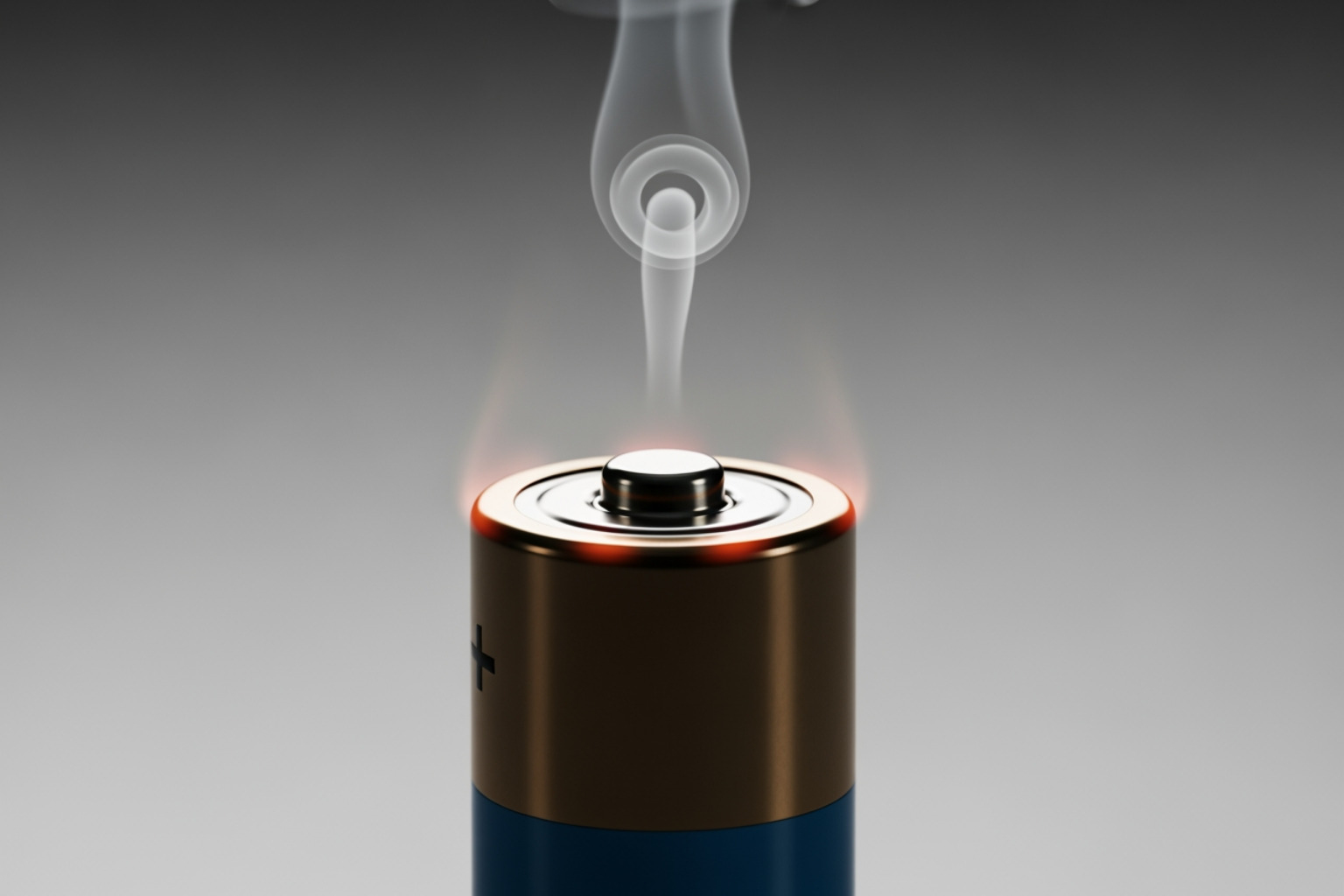
In our increasingly connected world, electronic devices are ubiquitous. However, the very technology that brings us convenience can also introduce significant risks, primarily due to lithium-ion batteries. These powerful energy sources are found in everything from your smartphone to your e-cigarette and even children’s toys.
The primary concerns with these devices are fire hazards, explosion risks, and burn injuries. For example, the Federal Aviation Administration (FAA) reported 225 incidents of fires involving lithium batteries in baggage or as cargo in aircraft or airports between 1991 and 2018. The dangers aren’t limited to air travel; e-cigarette explosions and fires resulted in 133 cases of acute injury between 2009 and 2016.
Specific products that have demonstrated these risks include:
- E-cigarettes and Vapes: Beyond their health implications, these devices have been linked to battery explosions causing severe burns.
- Hoverboards: Early models were notorious for battery malfunctions leading to fires and explosions.
- Portable power banks: Recently, about 210,000 units of INIU 10,000mAh portable power banks were recalled due to overheating, fire, and burn hazards, leading to multiple reports of fires and property damage.
When we use devices with lithium-ion batteries, we must be aware of these potential dangers. Always follow manufacturer instructions for charging and storage, and be wary of off-brand or cheaply made products.
Household Appliances and Furniture
Our homes are filled with items designed to make life easier, yet many can become sources of serious injury. This category encompasses a wide range of products, from exercise equipment to power tools and even the furniture we rely on daily.
Consider the following statistics:
- Treadmills: Approximately 24,000 people are treated for injuries related to treadmills each year. Injuries can range from broken bones and head trauma to friction burns.
- Lawnmowers: These powerful machines are responsible for approximately 80,000 emergency room visits each year, causing lacerations, amputations, and eye injuries.
- Power tools: The CPSC reports that power tools are responsible for approximately 400,000 emergency room visits each year, leading to cuts, burns, and even amputations.
- Cleaning chemicals: Home cleaning or maintenance products, or even the home’s design itself, are related to 9.5 million emergency room visits every year. These products can cause chemical poisoning, burns, and respiratory issues.
- Dressers and TVs: As mentioned earlier, tip-over accidents involving furniture and televisions are a constant threat, especially to children.
We should always prioritize safety when using these items. This means reading manuals, using safety guards, and properly securing furniture. For those concerned about chemical products, you can find safer alternatives at the EPA’s Safer Choice website.
Personal Care Products and Cosmetics
The products we use on our bodies daily, from lotions to makeup, are generally assumed to be safe. However, some personal care products and cosmetics can harbor hidden dangers, including heavy metals and other harmful chemicals that pose significant health risks.
- Talcum powder: This seemingly innocuous product has been a source of major concern. The International Agency for Research on Cancer classifies talc use on the genitals as “possibly carcinogenic to humans.” Multiple studies have suggested a 30% increased risk of ovarian cancer with talc use. For additional insights, Scientific American has reported on the Scientific American on talc cancer risk.
- Cosmetics: Tens of thousands of possible cosmetic injuries occur every year. Some cosmetics can contain lead and other heavy metals, or chemicals that cause skin irritation, allergic reactions, or even long-term health problems.
- Heavy metals: Beyond cosmetics, some products can contain lead, mercury, or arsenic. These can cause serious health problems, including damage to the brain, nervous system, and reproductive system.
While many products are safe, we must be discerning about what we put on and in our bodies. For more information on this critical topic, we’ve discussed these concerns in our blog, Group Warns of Dangerous Children’s Products Involving Cosmetics.
Who Protects Consumers? Government Agencies and Recalls
When dangerous consumer products enter the market, several government agencies work tirelessly to identify, regulate, and remove them. Understanding their roles and how recalls function is key to protecting ourselves and our families here in Maine and across the country.
Key Government Regulators
The landscape of consumer product safety is overseen by several federal agencies, each with specific jurisdictions:
- Consumer Product Safety Commission (CPSC): This is the primary agency for most consumer products you’ll find in your home. The CPSC protects the public against unreasonable risks of injuries and deaths associated with approximately 15,000 types of consumer products. You can visit the CPSC Home Page to learn more about their work.
- Food and Drug Administration (FDA): The FDA is responsible for the safety of cosmetics, drugs, medical devices, and food products.
- National Highway Traffic Safety Administration (NHTSA): This agency focuses on vehicle safety, including passenger cars, trucks, motorcycles, and child car seats.
- Environmental Protection Agency (EPA): The EPA regulates pesticides and household chemicals, ensuring they meet safety standards.
These agencies work through a combination of setting safety standards (both mandatory and voluntary), conducting research, and enforcing regulations to keep unsafe products off the market.
How Recalls Work
Product recalls are a critical mechanism for removing dangerous consumer products from circulation. They can be initiated voluntarily by a manufacturer or mandated by a government agency.
Some of the most significant product recalls in recent history highlight the scale of these issues:
- Takata Airbags: One of the largest automotive recalls in history, affecting millions of vehicles worldwide. Defective inflators could explode, sending metal shrapnel into occupants and causing dozens of fatalities and hundreds of injuries.
- Fisher-Price Rock ‘n Play Sleepers: This popular infant sleeper was linked to over 100 infant deaths due to suffocation risks, leading to a massive recall.
- IKEA Malm Dressers: Millions of these dressers were recalled due to tip-over risks, which resulted in multiple child fatalities.
- Samsung Galaxy Note 7: This smartphone was recalled due to defective lithium-ion batteries that caused the devices to overheat and catch fire.
- Boppy Newborn Loungers: Recalled due to multiple reports of infant suffocation.
Staying informed about recalls is essential. The easiest way to search for recalls from all federal agencies is to visit Search all government recalls. We encourage all Maine residents to regularly check this site to ensure the products in their homes are safe.
Know Your Rights: Product Liability Law
Even with diligent efforts by consumers and regulatory agencies, dangerous consumer products can still cause harm. If you or a loved one in Maine has been injured by a defective product, it’s important to know that you have legal rights. Product liability law provides a path to seek compensation from those responsible.
Types of Product Liability Claims
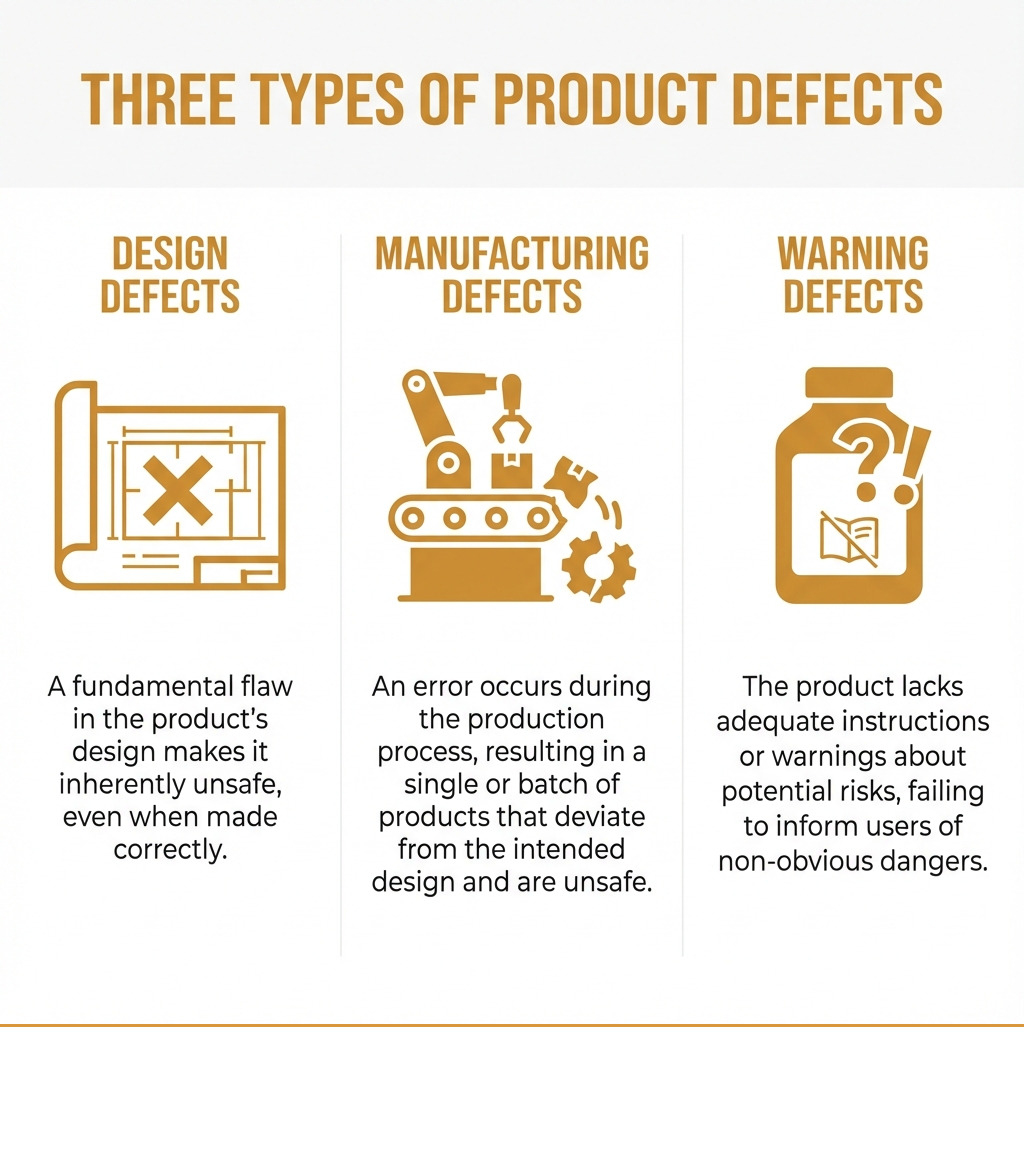
Product liability law allows injured consumers to seek compensation from manufacturers, retailers, and distributors for harm caused by defective products. These claims generally fall into three main categories:
- Defective Design: This means the product was inherently unsafe from the very beginning, even before it was manufactured. The design itself makes the product unreasonably dangerous when used as intended. For example, a car model with a design flaw that makes it prone to rollovers.
- Manufacturing Defect: This occurs when a product’s design is safe, but an error during the manufacturing process makes a specific unit (or batch) dangerous. This could be a toy with weak glue that causes small parts to detach, or a medical device assembled incorrectly.
- Failure to Adequately Warn (Marketing Defect): Sometimes, a product cannot be made completely safe, and its inherent risks are not obvious to the user. In such cases, manufacturers have a duty to provide adequate warnings or instructions about potential dangers. A failure to include clear warnings about chemical hazards in a cleaning product, for instance, could lead to this type of claim.
Beyond these core claims, product liability cases can also involve legal concepts like strict liability (where you only need to prove the product was defective and caused injury, regardless of fault), negligence (where the manufacturer’s carelessness led to the defect), and breach of warranty (where the product failed to live up to express or implied promises of safety or performance). You can find more details in our article on 4 Types of Product Liability Claims.
What to Do After an Injury
If you or someone you know has been injured by a potentially dangerous consumer product in Maine, taking immediate and deliberate steps can significantly impact your ability to seek justice:
- Seek Medical Attention: Your health is the absolute priority. Get immediate medical care for any injuries sustained.
- Preserve the Product: Do not discard, repair, or alter the product in any way. This item is crucial evidence. If possible, also keep its packaging, instructions, and any receipts.
- Document Everything: Take photos or videos of the product, the injury, and the scene of the incident. Write down the date, time, and circumstances of what happened. Keep records of all medical treatments and expenses.
- Understand Your Legal Options: Contacting an experienced product liability attorney is vital. They can assess your case, explain your rights, and guide you through the complex legal process. For example, we’ve seen cases where a Couple Files Suit Alleging Dangerous Products Caused Eye Injury due to defective products. In Maine, generally, you have six years from the date of injury to file most personal injury lawsuits, but exceptions and shorter time limits can apply, especially when minors are involved. It’s best to consult with a lawyer right away.
How to Stay Informed and Report Hazards
Protecting ourselves and our families from dangerous consumer products requires proactive steps. Beyond reacting to recalls, we can actively contribute to a safer marketplace and make informed decisions before bringing new items into our homes.
Using SaferProducts.gov
One of the most powerful tools at our disposal is SaferProducts.gov. This website, maintained by the CPSC, is a public database where you can both report unsafe products and search for complaints filed by other consumers.
- Reporting an unsafe product: If you encounter a product that you believe is dangerous or has caused harm, you can file a report directly with the CPSC. Your report provides crucial information that can alert authorities to potential hazards, inform CPSC’s decisions on recalls, and even lead to new safety regulations.
- Searching the database: Before you buy a new product, or if you have concerns about something already in your home, you can search SaferProducts.gov. This allows you to see if other consumers have reported injuries or concerns related to that specific item.
- How consumer reports help: Every report submitted helps build a more comprehensive picture of product safety risks. It empowers the CPSC to identify patterns, investigate issues, and take action more effectively.
We strongly encourage all Maine consumers to use this valuable resource. Visit Report or search for unsafe products to contribute to consumer safety.
Identifying Dangerous Consumer Products Before You Buy
Prevention is always the best strategy. By being a savvy shopper, you can significantly reduce the risk of bringing dangerous consumer products into your home:
- Checking for recalls: Make it a habit to check Recalls.gov (as mentioned earlier) before making significant purchases, especially for children’s items, electronics, and appliances.
- Reading consumer reports: Websites like SaferProducts.gov provide invaluable insights from other users. Pay attention to reviews and safety warnings.
- Inspecting products in-store: A quick visual inspection can sometimes reveal obvious flaws. Look for sturdy construction, secure parts, and clear labeling.
- Choosing items with safety certifications: For products like car seats, helmets, and certain electronics, look for recognized safety certifications from organizations like UL (Underwriters Laboratories) or ASTM (American Society for Testing and Materials).
- Subscribing to recall alerts: Many government agencies and consumer advocacy groups offer email or text alerts for product recalls. Signing up is an easy way to stay informed.
By adopting these habits, we can collectively create a safer environment for ourselves and our communities in Portland, Maine, and beyond.
Frequently Asked Questions about Dangerous Products
What makes a product legally “defective”?
A product is legally defective if it has a design flaw, a manufacturing error, or inadequate warnings that make it unreasonably dangerous to the user. This can apply even if the manufacturer was not negligent.
What should I do with a product that has been recalled?
Immediately stop using the product. Check the recall notice from the CPSC or manufacturer for specific instructions, which may include returning it for a refund, getting a free repair kit, or safe disposal.
Who can be held responsible for an injury caused by a dangerous product?
Responsibility can fall on any party in the chain of distribution, including the product manufacturer, a component part manufacturer, the wholesaler, and the retail store that sold the product.
What to Do If You’ve Been Harmed by a Defective Product
Being vigilant can prevent many injuries, but not all. When a dangerous product causes harm, victims have rights. Understanding these rights and the types of defects is the first step toward justice. If you or a loved one has been injured by a defective product, the experienced team at Garmey Law is dedicated to fighting for consumers. Contact us to understand your options. Learn more about our defective products and product liability services.